← Back home

Bakery guides

Verified accounts for US bakeries taking online pre-orders

Deposits that protect the bake, order windows that protect the schedule, and payouts that land when the flour order is due.

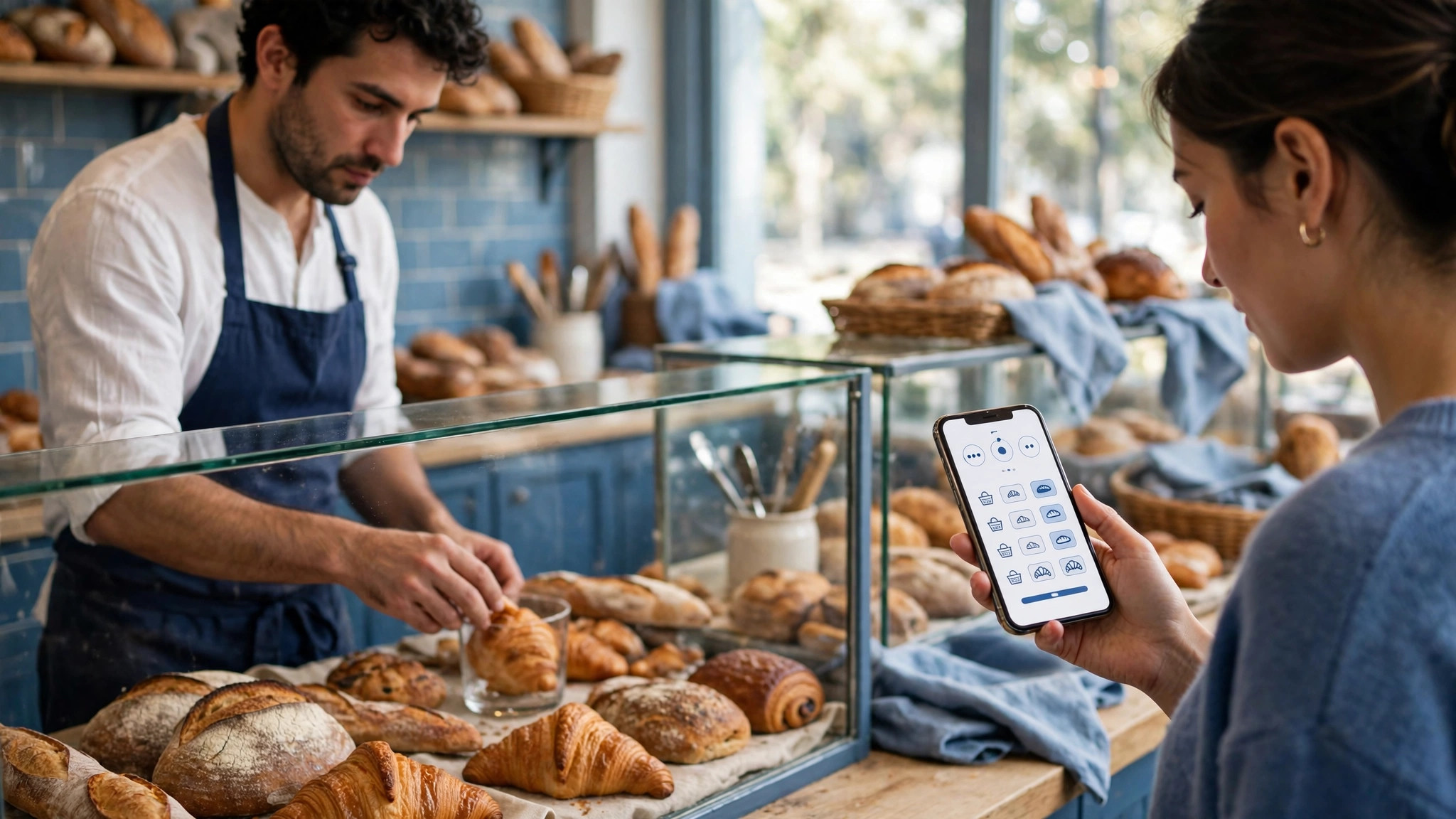
Baker arranging fresh bread while a customer places an online pre-order on a phone

Why this guide exists

A bakery that takes pre-orders is selling something that does not exist yet, and payment platforms treat that differently from a walk-in sale. Orders paid days before pickup, custom work, and deposits all draw extra attention — which is fine when the account behind them is verified, organised, and consistent. This guide covers the setup that keeps pre-orders running smoothly instead of tripping a review in the middle of a holiday rush.

What online pre-orders change for a bakery

A pre-order is a promise with a date on it — and your verified account is what makes that promise payable. When a customer books a birthday cake three weeks out, or a dozen sourdough loaves for Saturday pickup, they are paying for something that does not exist yet. That is exactly the kind of transaction payment platforms watch closely, and it is exactly why the account behind it matters.

For a bakery, online pre-orders change the shape of the business. Walk-in sales are simple: the customer sees the bread, pays, and leaves with it. A pre-order reverses that order. The money arrives first, the product comes later, and everything in between — the deposit, the confirmation, the bake schedule, the pickup window — has to be organised so the customer trusts the gap. A verified account is the foundation of that trust, because it tells the platform, and the customer, that the business behind the order form is real, identified, and reachable.

This guide walks through the practical side of taking pre-orders on a verified account: how to set the account up for pre-order payments, how deposits should work, how order windows and cut-off times protect your bake schedule, and how payouts line up with the week you actually need the money. It is written for bakery owners, not payment specialists, and it stays with what you can control.

Before your first pre-order (steps 1–7)

  • Confirm the account is fully verified in the business's legal name, with the bakery's address and tax details matching the documents on file.
  • Link a dedicated business bank account for payouts — not a personal account, and not an account shared with another business.
  • Turn on two-factor authentication and store the backup codes somewhere only the owner can reach.
  • Set the payout schedule deliberately: daily payouts suit a high-volume bakery, while a weekly schedule can make bookkeeping simpler for a small shop.
  • Write the pre-order terms in plain language before you take a single order: deposit amount, cancellation window, pickup window, and what happens if a customer does not show up.
  • Test the whole flow yourself — place a test order, pay the deposit, confirm the email, and check that the payout lands where you expect it.
  • Keep a written record of every pre-order: customer name, order details, deposit paid, balance due, and pickup date. The platform's dashboard is not a substitute for your own order book.

Deposits that protect the bake, not punish the customer

A deposit does two jobs at once. It confirms the customer is serious, and it covers the cost of ingredients and labour if the order is cancelled late. The mistake most bakeries make is setting the deposit too low to do either job — or skipping it entirely and hoping a friendly email is enough commitment. A custom cake that takes four hours to decorate is not a walk-in purchase, and it should not be priced like one.

The deposit should be taken at the moment the order is placed, not at pickup. Money collected at pickup is a walk-in sale with extra steps; money collected at booking is a commitment. Most bakeries that run pre-orders well take a meaningful share up front and collect the balance at pickup or delivery. The exact split is a business decision, but the principle is the same either way: the deposit should be large enough that cancelling costs the customer something, and small enough that ordering feels easy.

Be clear about what the deposit covers and when it is refundable. A customer who knows the rules before paying rarely argues about them afterwards. Put the terms on the order page, repeat them in the confirmation email, and keep a copy of the confirmation for every order. If a dispute ever reaches the platform, that paper trail — order, terms, confirmation, and payment record — is what protects you.

Order windows and cut-off times

Pre-orders only work when the bake schedule is protected by cut-off times. A cut-off is the last moment a customer can order for a given pickup day, and it exists so the kitchen knows exactly what to bake before the ovens go on. Without one, orders trickle in after the dough is mixed, and the bakery ends up either turning people away or baking in a panic.

Set the cut-off far enough ahead to cover your longest bake. A standard loaf might need a day's notice; a decorated cake might need a week. Publish the cut-off on the order page and in the confirmation, and treat it as a rule, not a suggestion. Customers respect a clear deadline far more than a vague promise — and a platform that sees consistent fulfilment on time is a platform that leaves your account alone.

  • One cut-off per pickup day, published on the order page — never decided order by order.
  • Longer lead times for custom work: decorated cakes, wedding orders, and large catering batches need their own window.
  • A hard stop on changes after the cut-off: flavour swaps and date moves after baking starts are the fastest way to lose a morning.
  • A waiting list for sold-out days, so demand is captured instead of lost — and so you can see which days deserve more capacity.

Payouts: matching money to the bake week

Pre-order money arrives in a rhythm that is different from walk-in sales. A Saturday pickup paid for on Monday is money that sits with the platform for days before it reaches your bank, and during a busy week that gap is the difference between ordering flour on time and ordering it late. Understanding your payout schedule — when funds are released, how long transfers take, and whether any portion is held as a reserve — is part of running the bakery, not a detail to leave to chance.

Match your payout rhythm to your buying rhythm. If ingredients are ordered on Monday for the weekend bake, the payout schedule should put money in the bank before the supplier is paid. Check the platform's payout calendar at the start of each month and mark the expected payout dates on the same calendar as the bake schedule. When the two calendars agree, cash flow stops being a weekly surprise.

Keep pre-order payouts separate in your records from walk-in takings, even if they land in the same bank account. A simple spreadsheet with one row per order — date ordered, pickup date, deposit, balance, payout date — is enough. When a customer asks about a payment, or your accountant asks about a month, that sheet answers in seconds instead of an afternoon of searching.

Payout habits that keep the bake week calm

  • Check the payout calendar at the start of each month and mark expected payout dates next to the bake schedule.
  • Never promise a supplier payment from money that has not landed yet — plan from cleared funds, not pending ones.
  • Keep one row per order in your own records: order date, pickup date, deposit, balance, and payout date.
  • Review held or delayed payouts the same day they appear, while the order details are still fresh.
  • Hold a small cash buffer for ingredient orders, so a single delayed payout never stops the ovens.

Mistakes that stall a busy bake week

  • Taking pre-orders on an unverified or personal account, so the first busy weekend triggers a review at the worst moment.
  • Collecting no deposit, then baking a custom order for a customer who never shows up.
  • Publishing no cut-off time, so orders arrive after the dough is already mixed.
  • Changing the pickup date by chat message with no written confirmation to match the payment record.
  • Mixing pre-order money and walk-in takings in one account with no records, then guessing at tax time.
  • Ignoring a payout delay for days, until the supplier's invoice is due and the money still has not landed.
  • Promising same-day custom cakes to win the order, then missing the deadline and the customer.

Real KYC

Every account backed by a genuine document set, cross-checked before handover.

Deposits that clear

Pre-order payments collected on a verified account, with terms in writing before the bake starts.

Warranty in writing

Replacement or refund policy documented before payment — not after.

Ready to take pre-orders with confidence?

Every account in our catalog runs through the same verification checks before it reaches you. Ask us anything before you order.